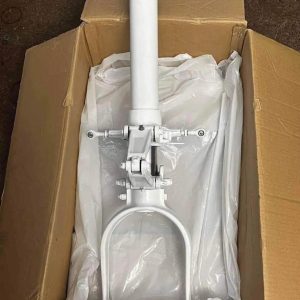
The Cessna Nose Gear Strut Assembly combines load support, controlled compression, wheel positioning, and steering-related functions within the aircraft’s complete landing-gear system.
The Cessna Nose Landing Gear Strut, Cessna Nose Gear Assembly, Cessna Landing Gear Strut, and Cessna Nose Strut descriptions identify closely related searches for the aircraft’s forward landing-gear structure.
The Aircraft Nose Gear Strut must maintain suitable alignment, movement, sealing, structural integrity, and connection with surrounding components.
The Cessna Nose Gear Shock Absorber, Cessna Landing Gear Assembly, Aircraft Landing Gear Strut, and Cessna Nose Wheel Strut phrases highlight the component’s role in supporting loads and controlling ground impacts.
Accurate product information supports responsible purchasing and reduces installation delays.
Understanding the Cessna Nose Gear Strut Assembly
The seller should provide clear photographs of the cylinder, piston, fork, steering features, mounting points, torque links, hardware, and identification markings.
The buyer should determine whether the listing includes a complete Cessna Nose Gear Assembly or only selected parts of the system.
Understanding Ground Loads on the Front Gear
System-level evaluation is essential when selecting or inspecting the component.
Any evidence of previous impact should be disclosed and investigated.
Shock Absorption and Strut Compression
Proper operation depends on correct servicing, internal condition, seal integrity, surface check here finish, alignment, and absence of contamination.
Incorrect pressure or fluid quantity can influence ground clearance, steering, ride quality, and structural loading.
Inspecting Steering Links and Torque Components
Loose steering components can contribute to poor directional response, uneven tire wear, shimmy, and unpredictable ground handling.
Professional adjustment protects the Cessna Steering Strut Assembly and connected components.
Matching the Strut to a Specific Cessna Aircraft
The phrase Cessna Nose Gear Strut Assembly should not be interpreted as compatibility with every Cessna aircraft.
Supplemental modifications, replacement forks, wheel conversions, tire changes, steering alterations, and airframe repairs can affect compatibility.
Protecting Smooth Strut Operation
Detailed inspection supports reliable Aircraft Nose Gear Strut evaluation.
The piston should move through the permitted range without binding, roughness, excessive side play, or abnormal resistance.
Preventing Contamination and Seal Damage
Fluid leakage around the piston, seals, fittings, plugs, or servicing points can indicate deteriorated seals, damaged surfaces, loose components, contamination, or incorrect assembly.
Incorrect seal material, damaged installation tools, contaminated fluid, or improper assembly can lead to early failure.
Maintaining Protective Finishes
Complete corrosion inspection supports responsible General Aviation Landing Gear Parts purchasing.
Fresh paint may improve appearance while concealing corrosion, filler, weld repairs, or damaged surfaces.
Crack, Bend, and Impact-Damage Inspection
High-stress areas can include attachment points, fork transitions, axle regions, steering features, torque-link mounts, and previous repair locations.
A damaged assembly may also indicate concerns in the surrounding airframe structure.
Wheel Fork, Axle, and Nose Wheel Components
A complete strut listing should state whether the fork, axle, spacers, wheel, bearings, tire, and hardware are included.
Professional assembly supports dependable Cessna Nose Wheel Strut performance.
Maintaining Strut Alignment
Bushings, bolts, washers, bearings, and attachment holes should be inspected for wear, elongation, corrosion, looseness, and inadequate lubrication.
Lubrication should follow the applicable schedule and use the appropriate product.
Shimmy, Vibration, and Uneven Tire Wear
The technician should inspect the complete nose gear and steering system before selecting corrective action.
Measurements and operational checks should support the maintenance decision.
Servicing the Cessna Shock Strut
Values from another Cessna model should not be applied without verification.
The aircraft should be positioned and supported safely before servicing or disassembling the nose gear.
Distinguishing Inspection from Overhaul
A seal replacement or exterior repaint does not necessarily constitute a complete overhaul.
Reconditioning decisions depend on structural condition, dimensional limits, corrosion depth, surface damage, repair data, parts availability, and cost.
Pre-Purchase Inspection Checklist
The seller should provide photographs of every side, including the cylinder, piston, fork, axle, torque links, steering features, mounts, hardware, identification markings, and damaged areas.
- Confirm the complete Cessna part number, dash number, serial or casting markings, aircraft model, serial-range applicability, strut type, dimensions, and configuration.
- Inspect or document corrosion, cracks, bends, scoring, pitting, leakage, chrome damage, worn bushings, loose pivots, elongated holes, damaged threads, fork alignment, and previous repairs.
- Confirm the sales invoice, payment protection, packaging method, freight insurance, inspection period, return terms, and stated assembly condition.
Shipping the Cessna Nose Gear Assembly
The assembly should be secured in a rigid crate or suitable container that supports its weight without loading the piston, fork, fittings, steering components, or delicate surfaces.
Pre-shipment photographs can document condition, included parts, and packaging before collection.
Storage and Preservation Before Installation
The piston surface should remain covered without using materials that promote corrosion or seal deterioration.
Preservation materials should be removed through appropriate procedures.
Installing the Cessna Front Landing Gear Assembly
Installation should be completed by appropriately qualified aviation maintenance personnel using applicable Cessna airframe, landing-gear, steering, and component information.
The strut should align correctly with the aircraft structure, steering system, wheel, fork, and torque links without binding or abnormal side loading.
Any abnormal indication should receive prompt evaluation before further operation.
Reducing Landing Gear Wear
Cleaning should remove dirt and contaminants without damaging seals, polished surfaces, protective coatings, or identification markings.
Pilots and operators should report steering changes, unusual compression, leakage, vibration, or tire wear promptly.
Buying a Replacement Landing Gear Strut
Honest product information strengthens buyer confidence and reduces disputes.
Availability of technical information, replacement parts, and qualified maintenance support can influence long-term value.
Selecting General Aviation Landing Gear Parts
When thoroughly evaluated and correctly installed, the Cessna Nose Gear Strut Assembly can become a valuable component within the aircraft’s complete landing-gear system.
The strongest purchasing decision begins with confirming the exact Cessna part number, dash number, aircraft model, serial-range applicability, strut configuration, dimensions, mounting points, steering system, fork, axle, bushings, seals, corrosion status, repair history, and documentation.
Whether the product is described as a Cessna Nose Gear Shock Absorber, Cessna Landing Gear Assembly, Aircraft Landing Gear Strut, or Cessna Nose Wheel Strut, aircraft-specific compatibility remains essential.
With prompt attention to leakage, scoring, corrosion, shimmy, tire wear, loose bushings, steering play, impact events, and abnormal compression, the installation can preserve its operating potential.